On this page
The short answer.
Port is a fortified wine from Portugal’s demarcated Douro region. The IVDP, the region’s wine institute, distinguishes several styles and ageing categories. For a first cellar visit, use the names as a starting point for questions, then ask exactly which wines your ticket includes.
Three names to recognise.
The differences between Ruby, Tawny and White are useful background. They are not a claim that a particular tasting pours all three. Our starting Cálem record lists two wines without specifying their styles in the supplied research.
Ruby
A red style associated with preserving fruit and colour. Ask which category you are tasting.
Tawny
Wood ageing and oxidation are central to its character. Ask how the wine was aged.
White
Made from white grapes; colour and character change with production and ageing.
Style background: IVDP: introduction to Port wines, consulted 22 Oct 2026.
Age and category: ask what the label means.
A wine name may describe a style, a category or an indication of age. Instead of trying to memorise every term before your visit, ask the guide to explain the label on the bottle you are tasting. Ask which part describes the ageing process and what that means for the comparison between your glasses.
How to make a tasting more useful.
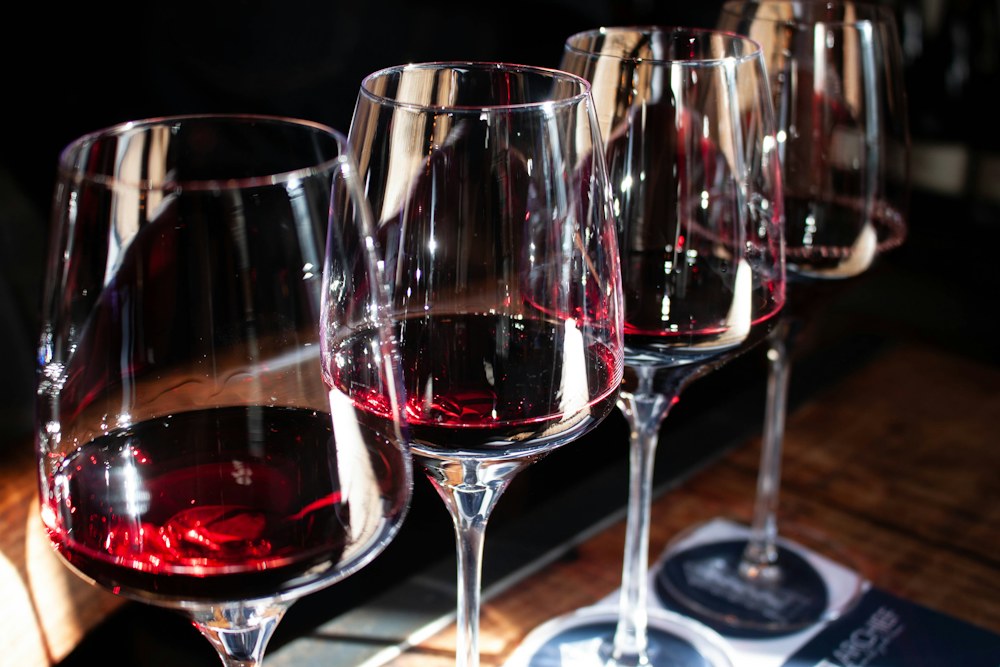
Start with a simple observation: how do the two glasses differ? Look at the colour, notice the aromas and describe the flavour in your own words. Then ask a focused question about the contrast. You do not need to guess a precise age or a long list of aromas to get something out of the explanation.
Keep the ticket contents separate from the wine lesson. A general guide to Port can introduce styles, but only the current product page can confirm which bottles or pours appear in your chosen option.
What about serving temperature?
The IVDP gives different temperature ranges for different styles: Ruby-style Port at 12–16°C, Tawny-style at 10–14°C and White Port at 6–10°C. That is a useful reminder to ask why a particular glass is served at its temperature, rather than assuming every Port should be treated alike.
Serving background: IVDP: choose and enjoy, consulted 22 Oct 2026.
Connect the guide to a visit.
The documented Cálem experience combines an interactive museum, guided cellar visit and two-wine tasting in a one-hour reference duration. The recorded starting price is €22. Options that mention more wines, chocolate or cheese should be checked separately; they are not automatically part of the starting ticket.
For anyone not drinking, ask about visitor options and alternatives before booking. Confirm the meeting point in Vila Nova de Gaia and allow separate time to get there. The Porto menu keeps those practical choices together.
Sources & limits
Wine context comes from the IVDP pages linked above. Booking details use the supplied Civitatis snapshot from 21 October 2026. This is an introductory editorial guide, not a first-hand review of the cellar or a description of its exact wine selection.